Hard Water Havoc: Protect Your Boise Appliances & Save on Costly Repairs
Living in Boise, ID, offers incredible natural beauty and a vibrant community. However, our local environment also presents unique challenges for homeowners, particularly concerning the longevity and efficiency of their household appliances. One of the most prevalent yet often overlooked issues is hard water. While harmless for consumption, the mineral content in Boise's water supply can wreak silent havoc on everything from your dishwasher to your water heater, leading to costly repairs and premature replacements.
At Boise Appliance Experts, we frequently encounter appliance problems directly attributable to hard water. Understanding this threat and taking proactive steps can significantly extend the life of your valuable appliances and keep your household running smoothly.
What is Hard Water and How Does It Affect My Boise Appliances?
Hard water is simply water with a high concentration of dissolved minerals, predominantly calcium and magnesium. When this water heats up or evaporates, these minerals precipitate out, forming solid deposits known as 'limescale' or 'scale.' You've likely seen it as white, chalky residue on faucets or showerheads – but its effects inside your appliances are far more insidious.
- Reduced Efficiency: Scale buildup acts as an insulator, forcing heating elements in dishwashers, washing machines, and water heaters to work harder and longer to reach desired temperatures. This directly translates to higher energy bills.
- Clogged Components: Narrow pipes, spray arms, and water inlet valves can become partially or completely blocked by mineral deposits, disrupting water flow and cleaning effectiveness.
- Component Damage: Over time, the constant stress from scale can corrode or damage sensitive internal parts like pumps, seals, and heating elements, leading to leaks or complete component failure.
- Shortened Lifespan: The cumulative effect of reduced efficiency and component damage inevitably shortens the overall lifespan of your appliances, forcing you to repair or replace them sooner than anticipated.
For example, residents in West Hills often notice stubborn spots on dishes or a decrease in their washing machine's performance due to these very issues.
Common Appliances Most Vulnerable to Boise's Hard Water
While hard water can affect almost any appliance that uses water, some are particularly susceptible to its damaging effects:
- Dishwashers: Hard water is a primary culprit for cloudy glassware, white spots on dishes, and a gritty film on the interior. Limescale can clog spray arm nozzles, prevent proper detergent distribution, and coat heating elements, impacting drying performance.
- Washing Machines: You might notice your clothes feeling stiff, looking dingy, or having a residue after washing. Hard water reduces the effectiveness of detergents and can lead to mineral buildup in inlet valves, pumps, and on heating elements (in hot water wash cycles).
- Water Heaters (Tank and Tankless): These are arguably the most vulnerable. Limescale settles at the bottom of tank heaters, reducing their capacity and efficiency, and eventually causing overheating and tank failure. In tankless heaters, scale can severely restrict water flow and heat transfer, leading to frequent error codes and system shutdowns.
- Refrigerators (Ice Makers and Water Dispensers): The narrow water lines supplying ice makers and water dispensers are prime targets for mineral buildup. This can lead to slow water dispensing, smaller or misshapen ice cubes, and eventually complete blockages.
- Coffee Makers and Kettles: While smaller appliances, they clearly demonstrate the effects of hard water with visible scale inside and slower operation. The principle is the same for larger appliances.
Proactive Steps to Protect Your Appliances from Hard Water Damage in Boise
The good news is that there are several effective strategies you can employ to mitigate the effects of Boise's hard water on your home appliances:
- Regular Descaling: For appliances like dishwashers, washing machines, and coffee makers, periodic descaling is crucial. Use white vinegar or a commercial descaling solution specifically designed for appliances. Follow manufacturer instructions carefully.
- Appliance-Specific Cleaners: Many appliance manufacturers offer specialized cleaners that help combat hard water effects and keep components clear.
- Install a Water Softener: This is the most comprehensive solution. A whole-home water softener removes the minerals from your water supply before it reaches your appliances, protecting everything from your plumbing to your dishwasher. While an initial investment, it offers significant long-term savings in appliance longevity, reduced energy bills, and less need for harsh cleaning chemicals.
- Utilize Rinse Aids in Dishwashers: Rinse aids help prevent water from drying on dishes and leaving mineral spots.
- Clean Appliance Filters: Regularly clean the filters in your dishwasher and washing machine to ensure optimal water flow and prevent mineral-laden debris from accumulating.
- Use Appropriate Detergent Amounts: Hard water can necessitate using slightly more detergent than recommended for soft water, as minerals can bind with soap, reducing its effectiveness. Consult your appliance manual or detergent packaging for hard water recommendations.
When to Call the Experts: Signs of Hard Water Damage Requiring Professional Appliance Repair in Boise
While preventive measures go a long way, some hard water damage requires professional attention. Don't hesitate to call Boise Appliance Experts if you observe any of the following:
- Visible Mineral Deposits: Heavy, crusty buildup on internal components that you can't easily clean.
- Persistent Spots or Residue: Despite regular cleaning and using rinse aids, your dishes remain cloudy or your clothes feel stiff.
- Decreased Performance: Your dishwasher isn't cleaning as effectively, your washing machine cycles are taking longer, or your water heater isn't producing enough hot water.
- Unusual Noises: Clogged pumps or impaired heating elements may make your appliances strain or produce grinding, rattling, or squealing sounds.
- Leaks: Hard water corrosion can lead to weakened seals and components, resulting in leaks.
- Appliance Error Codes: Modern appliances often display error codes related to water flow or heating element issues, which can be triggered by hard water damage.
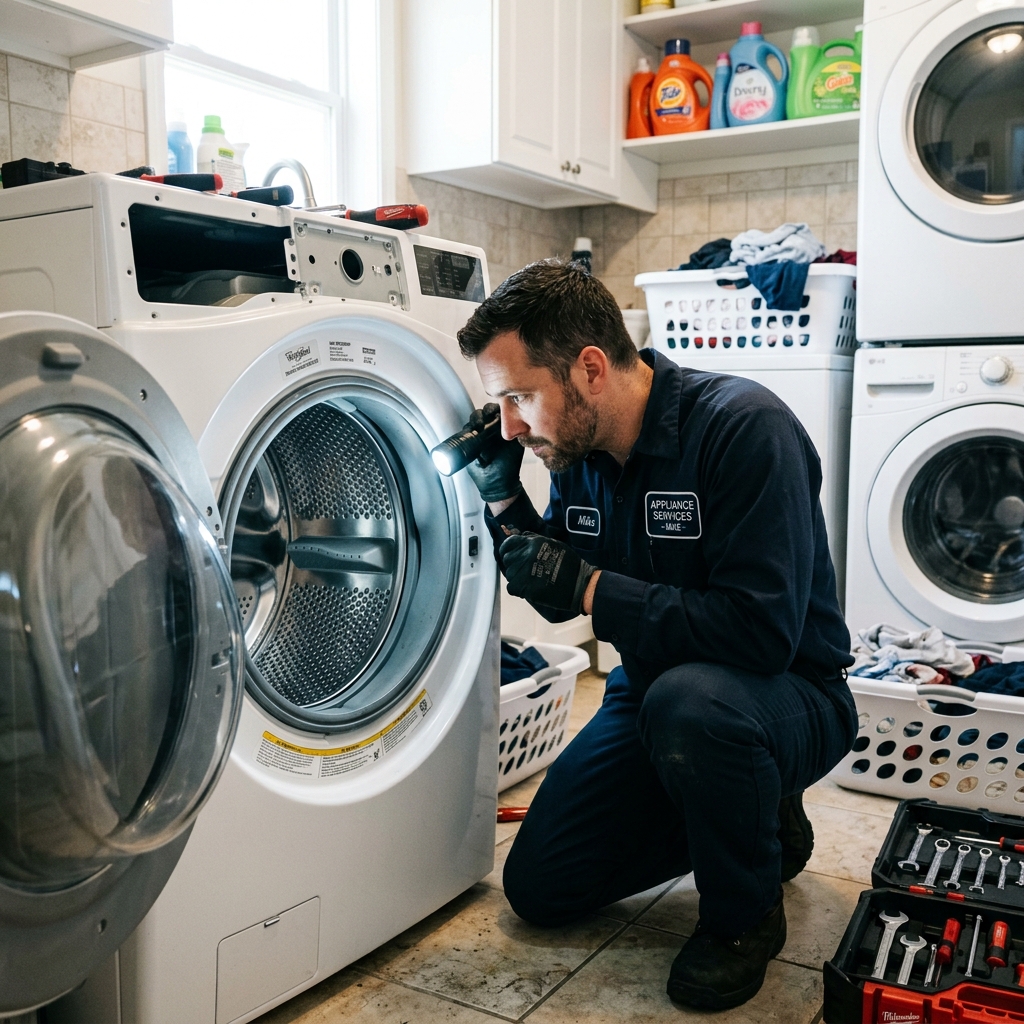
Attempting to fix complex issues related to hard water buildup yourself can often lead to further damage. Our certified technicians at Boise Appliance Experts have the specialized tools and knowledge to correctly diagnose and repair hard water-related appliance problems, ensuring your units are restored to optimal function. Whether you're in downtown Boise or out in Emmett, the principles of professional care for hard-water affected appliances remain the same.
Don't let Boise's hard water silently shorten the life of your valuable home appliances. By understanding the risks and taking proactive steps, you can save money and prevent headaches. If you suspect hard water is impacting your appliances or if you're experiencing any issues, contact Boise Appliance Experts today for reliable, local appliance repair service in Boise, ID. We're here to help you protect your investment!
Need Professional Assistance?
Get a free, no-obligation estimate from our expert local team today.