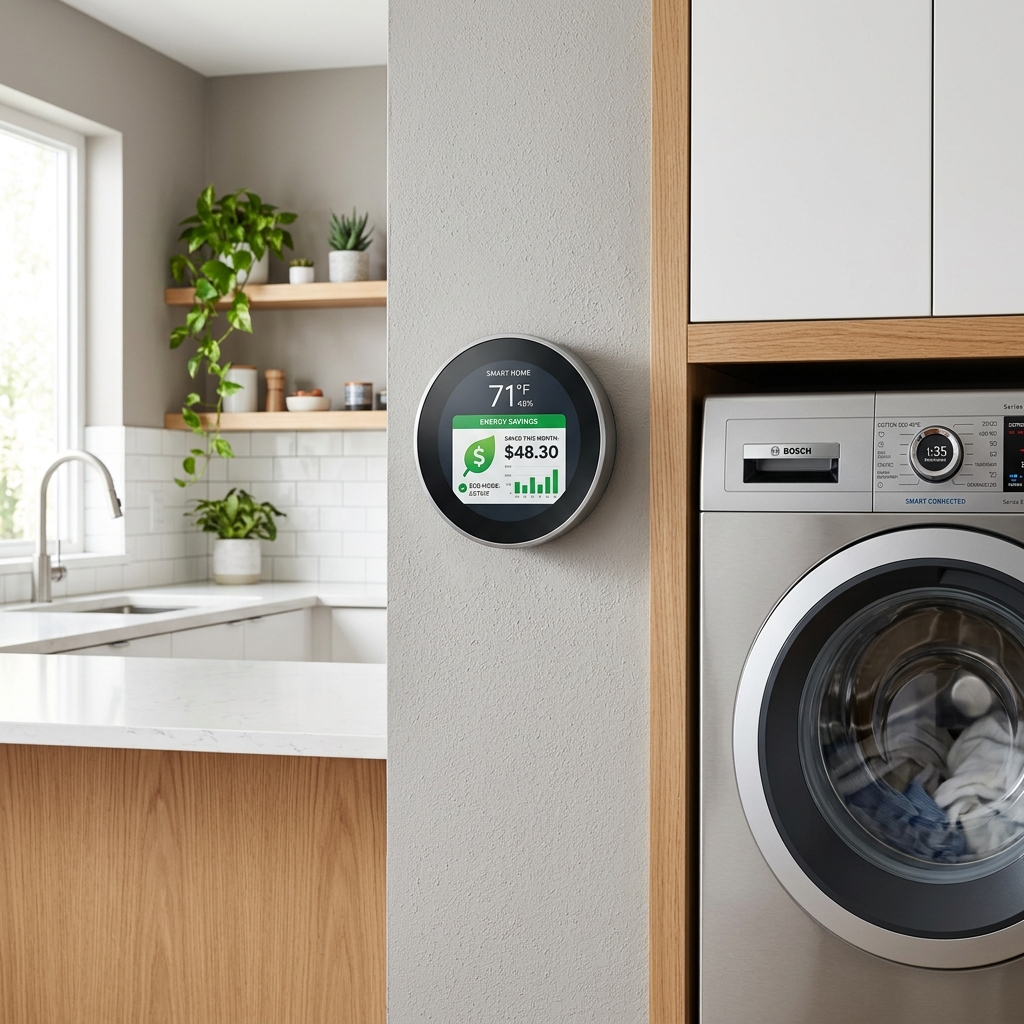
Cut Your Energy Bills: Boise's Guide to Appliance Efficiency
In the vibrant community of Boise, homeowners are always looking for smart ways to manage their household expenses. One significant area where savings can often be found is right in your kitchen and laundry room – your appliances. While modern appliances are designed with energy efficiency in mind, how you use and maintain them plays a crucial role in how much electricity or gas they consume. By adopting some expert-level practices, you can noticeably reduce your monthly utility bills and contribute to a more sustainable Boise.
Why are my appliances costing me so much in Boise?
Many Boise residents are surprised to learn just how much their appliances contribute to their energy costs. Several factors can drive up these expenses, often without you realizing it. Understanding these culprits is the first step towards achieving greater efficiency:
- Outdated Technology: Older appliances simply weren't designed with the same energy-saving technologies as today's models. They may lack features like advanced insulation, efficient compressors, or smart sensors, leading to higher energy consumption even when seemingly operating normally.
- Improper Usage Habits: Running half-empty dishwashers, frequently opening the refrigerator door, or using the wrong wash cycle can drastically increase energy waste. Every action, no matter how small, adds up over time.
- Lack of Maintenance: A dirty refrigerator coil, a clogged dryer vent, or a leaky dishwasher seal forces your appliances to work harder to achieve the same results, consuming more energy in the process. Regular maintenance is key to optimal performance and efficiency.
- Phantom Load (Vampire Draw): Many appliances continue to draw small amounts of power even when turned off but still plugged in. This "phantom load" can account for a surprising percentage of your overall energy consumption throughout the year.
- Poor Installation or Location: An appliance placed in an area with poor ventilation or direct sunlight (like a refrigerator), or an improperly installed unit, can lead to it struggling to maintain desired temperatures, thus using more energy.
What simple changes can Boise residents make for appliance efficiency?
The good news is that many energy-saving strategies are simple to implement and don't require expensive upgrades. Boise homeowners can start seeing savings almost immediately by making these practical adjustments:
- Refrigerator & Freezer:
- Keep Coils Clean: Dust and debris on the condenser coils force the compressor to work harder. Regularly vacuum them (at least twice a year) to improve efficiency.
- Check Door Seals: A leaky seal lets cold air escape. Test by closing the door on a dollar bill; if it pulls out easily, the seal needs attention.
- Maintain Optimal Temperature: Set your refrigerator between 37-40°F (3-4°C) and your freezer at 0°F (-18°C). Colder settings waste energy.
- Avoid Overfilling/Underfilling: A full fridge runs more efficiently, but don't overcrowd it, as this blocks airflow.
- Cool Foods Before Storing: Hot food raises the internal temperature, making the compressor work harder.
- Dishwasher:
- Run Full Loads: Maximize each cycle's efficiency by only running the dishwasher when it's completely full.
- Use Eco or Air-Dry Settings: The drying cycle uses a lot of energy. Opt for air-dry or an economy cycle if your machine has one.
- Scrape, Don't Rinse: Modern dishwashers are powerful enough to clean food particles. Pre-rinsing is usually unnecessary and wastes water.
- Washing Machine:
- Wash with Cold Water: Heating water accounts for about 90% of a washing machine's energy use. Use cold water whenever possible; modern detergents are designed to work effectively in cold temperatures.
- Run Full Loads: Like dishwashers, full loads are more energy-efficient.
- Choose the Right Cycle: Don't use heavy-duty cycles for lightly soiled clothes.
- Clothes Dryer:
- Clean the Lint Trap: A clean lint filter improves airflow and reduces drying time significantly. Clean it after every load.
- Check the Vent: Ensure the dryer vent hose is clean, unobstructed, and not crushed. A blocked vent restricts airflow, wastes energy, and is a fire hazard.
- Don't Over-Dry: Over-drying clothes wastes energy and can damage fabrics. Remove clothes as soon as they are dry.
- Dry Similar Fabrics Together: This allows you to use appropriate settings and drying times for the entire load.
- Oven & Stove:
- Use Proper Cookware: Match pan size to burner size to prevent heat loss. Flat-bottomed pans transfer heat more efficiently.
- Avoid Peeking: Opening the oven door frequently lets heat escape, requiring more energy to reheat. Use the oven light instead.
- Turn Off Early: For longer cooking times, you can often turn off the oven 5-10 minutes before the food is done; residual heat will finish the cooking.
When should I consider professional help for appliance energy savings in Boise?
While many efficiency improvements can be done yourself, some issues require the expertise of a professional appliance repair technician. If you notice any of the following, it might be time to call in the experts at boiseapplianceexperts.com:
- Appliance Not Cooling/Heating Properly: If your refrigerator isn't maintaining temperature or your oven isn't heating consistently, it's likely working overtime, using excessive energy.
- Strange Noises or Vibrations: Unusual sounds can indicate a failing motor, worn-out bearings, or other mechanical issues that reduce efficiency.
- Leaking or Excessive Moisture: A leaking dishwasher or washing machine not only wastes water but can also point to issues that affect energy use.
- Frequent Cycling: If your refrigerator or freezer seems to run constantly, its compressor might be struggling due to a problem, leading to higher energy consumption.
- Visible Damage to Seals or Insulation: Cracked or degraded door seals on refrigerators, freezers, or ovens allow heat/cold to escape, forcing the appliance to work harder.
- Considering New Appliances: If your existing appliances are very old and inefficient, a professional can offer an unbiased opinion on whether repair or replacement with an ENERGY STAR® certified model is the more economical long-term solution.
Investing in regular maintenance and timely repairs for your appliances is not just about extending their lifespan; it's also a crucial strategy for managing and reducing your household energy consumption. The team at boiseapplianceexperts.com is dedicated to helping Boise residents keep their appliances running smoothly and efficiently. From diagnosing unusual energy spikes to performing routine maintenance or expert repairs, our certified technicians are here to ensure your appliances are operating at their peak, saving you money and stress. Don't let inefficient appliances drain your wallet; contact us today for reliable service you can trust.
Need Professional Assistance?
Get a free, no-obligation estimate from our expert local team today.