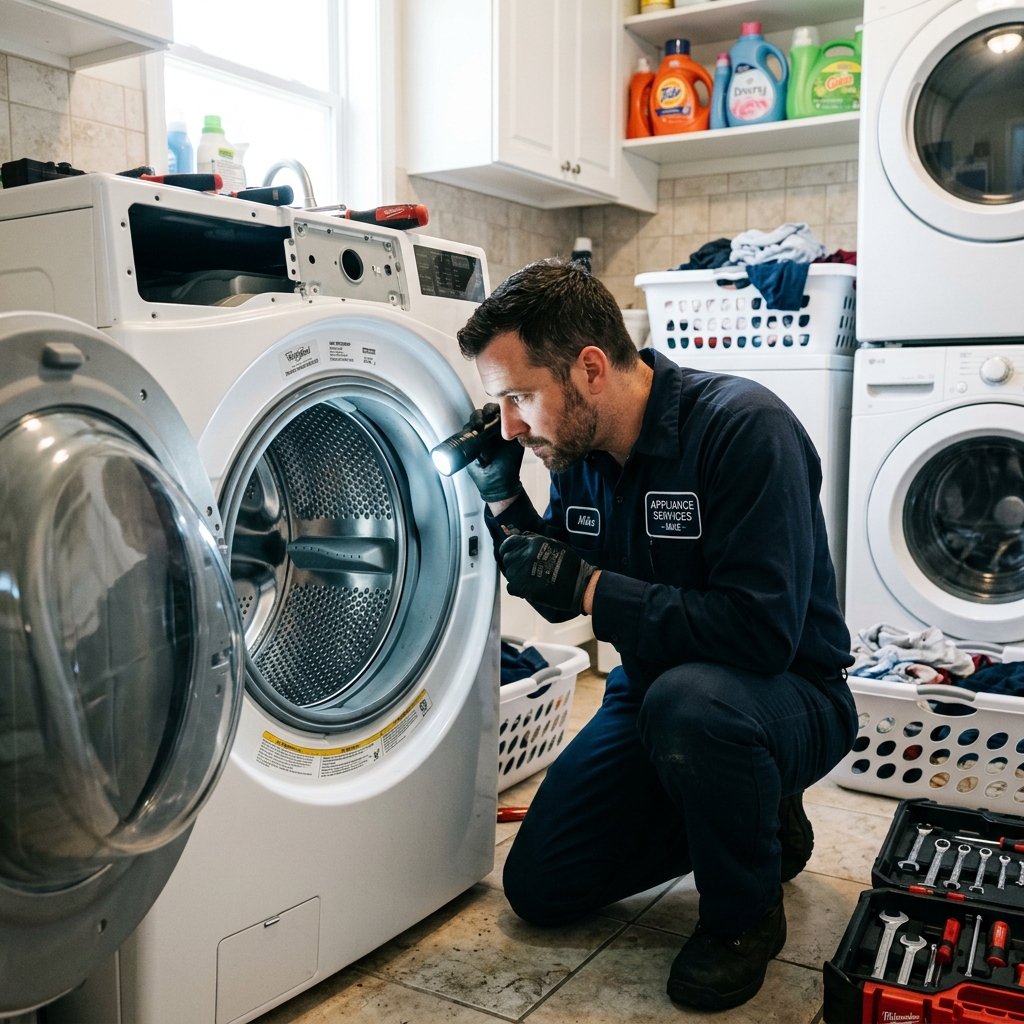
Boise Hard Water Havoc? Protect Your Appliances & Save on Repairs
Boise, Idaho's naturally hard water, laden with dissolved minerals like calcium and magnesium, poses a significant threat to the longevity and efficiency of your household appliances, particularly those that use water. This mineral buildup, known as limescale, can lead to reduced performance, higher energy consumption, frequent breakdowns, and premature failure, costing homeowners hundreds in repairs and replacements if not properly addressed by professional appliance repair services.
What Are the Signs of Hard Water Damage in My Boise Appliances?
Identifying hard water damage early can save you from more extensive and costly repairs. In Boise, many homeowners experience these common indicators:
- Dishwasher: You might notice cloudy glassware, white residue on dishes, or a gritty film inside the appliance. The heating element can become caked with scale, reducing its efficiency and leading to poorly cleaned dishes.
- Washing Machine: Clothes may appear dull, stiff, or stained, and towels might feel rough. You might also observe white mineral deposits around the detergent dispenser or inside the drum. The machine may struggle to rinse soap effectively, or the fill cycle might take longer due to restricted water flow.
- Water Heater: Hard water is notorious for reducing water heater efficiency. Signs include reduced hot water supply, strange rumbling or popping noises from the tank (caused by sediment buildup), or an unexplained increase in your energy bill. The heating elements become insulated by scale, forcing them to work harder.
- Refrigerator Ice Maker & Water Dispenser: Limescale can clog water lines, leading to slow ice production, malformed ice cubes, or a trickling water dispenser. A white crusty buildup might be visible around the water nozzle.
- Coffee Makers & Kettles: These smaller appliances often show the most obvious signs, with white, chalky residue accumulating on heating elements and inside reservoirs, affecting taste and efficiency.
Ignoring these warnings can lead to appliance failure, necessitating costly repairs or even replacement. Proactive attention is key, especially with Boise's water composition.
How Does Boise's Hard Water Actually Damage Appliances?
The mechanism of hard water damage is straightforward but insidious. When water heats up, minerals like calcium carbonate precipitate out of the solution, forming a solid scale. This scale adheres to internal components of your appliances, leading to several problems:
- Reduced Heating Efficiency: In appliances like water heaters, dishwashers, and washing machines, limescale coats heating elements. This mineral layer acts as an insulator, preventing heat from transferring effectively to the water. As a result, the appliance must work longer and harder to reach the desired temperature, significantly increasing energy consumption and utility bills.
- Clogged Water Lines and Valves: Narrow water intake and spray lines, as well as delicate solenoid valves, are particularly susceptible to mineral buildup. Over time, these pathways can become partially or completely blocked, reducing water flow, causing pressure imbalances, and leading to inefficient operation or complete malfunction. This is a common issue our technicians see in areas like Garden City and throughout the Boise metropolitan area.
- Corrosion and Component Failure: While scale itself is not corrosive, its presence can trap moisture against metal surfaces, promoting localized corrosion. Furthermore, overworked motors and pumps due to restricted flow or increased resistance from scale can overheat and fail prematurely. Rubber seals and gaskets can also degrade faster when constantly exposed to mineral deposits.
- Decreased Cleaning Performance: In dishwashers and washing machines, hard water minerals react with detergents, reducing their effectiveness. This means more detergent is needed to achieve adequate cleaning, leading to residue on dishes and clothes.
Understanding these processes highlights why proactive measures are crucial for protecting your investment in household appliances.
Effective Strategies to Protect Your Appliances from Hard Water in Boise
While you can't change Boise's water hardness, you can mitigate its effects. Here are expert-recommended strategies:
- Install a Water Softener: This is the most effective long-term solution. A whole-house water softener removes the minerals responsible for hardness before the water enters your plumbing system, protecting all your appliances. While an upfront investment, it often pays for itself in extended appliance life and reduced energy bills.
- Regular Descaling: For appliances like coffee makers, kettles, and even dishwashers, periodic descaling is vital. Use white vinegar or commercial descaling solutions as directed by the manufacturer. For dishwashers, run an empty cycle with a cup of white vinegar in the detergent dispenser monthly.
- Use Hard Water Detergents/Additives: Specially formulated detergents or water softening additives can help your washing machine and dishwasher perform better in hard water conditions. These products bind with minerals, preventing them from depositing on surfaces.
- Clean Appliance Filters and Dispensers: Regularly inspect and clean filters in dishwashers and washing machines. Wipe down detergent dispensers to remove any mineral crust buildup.
- Professional Maintenance and Flushing: For water heaters, consider professional flushing every 1-2 years to remove accumulated sediment. This can drastically improve efficiency and extend the life of the unit. Similarly, professional cleaning for other major appliances can remove hidden scale.
Implementing these strategies can significantly extend the life of your appliances and maintain their efficiency.
When Should I Call a Professional for Hard Water Appliance Issues?
While regular maintenance is important, some issues require the expertise of a professional appliance repair technician. You should contact Boise Appliance Experts if:
- You Observe Significant Performance Decline: If your dishwasher isn't cleaning properly despite descaling, your washing machine isn't rinsing, or your water heater isn't producing enough hot water, it's time for a professional diagnosis.
- Unusual Noises or Leaks: Rumbling from a water heater, grinding sounds from a dishwasher, or any signs of water leaks often indicate a serious underlying problem that could be exacerbated by hard water damage. This is particularly true if you are in a community like Kuna where local water conditions can vary.
- Electrical or Control Panel Issues: If hard water has infiltrated sensitive electronic components, it can cause unpredictable behavior. Do not attempt to fix electrical problems yourself.
- You Suspect Clogged Internal Components: Deep clogs in internal lines, valves, or pumps require specialized tools and knowledge to clear without causing further damage. Our technicians are equipped to diagnose and safely resolve these issues.
- Considering a Water Softener Installation: While not an appliance repair, professionals can advise on the best water softening solutions for your Boise home, ensuring proper installation and integration with your plumbing system.
Attempting complex repairs yourself, especially when dealing with water and electricity, can be dangerous and lead to further damage. Trust the local experts who understand Boise's unique water challenges.
Don't let Boise's hard water shorten the life of your valuable appliances or inflate your utility bills. Proactive maintenance and timely professional intervention are your best defense. If you're experiencing symptoms of hard water damage or need expert advice on protecting your appliances, don't hesitate. Contact Boise Appliance Experts today for reliable, local appliance repair and maintenance services in Boise, ID. Our skilled technicians are ready to help you keep your home running smoothly.
Need Professional Assistance?
Get a free, no-obligation estimate from our expert local team today.