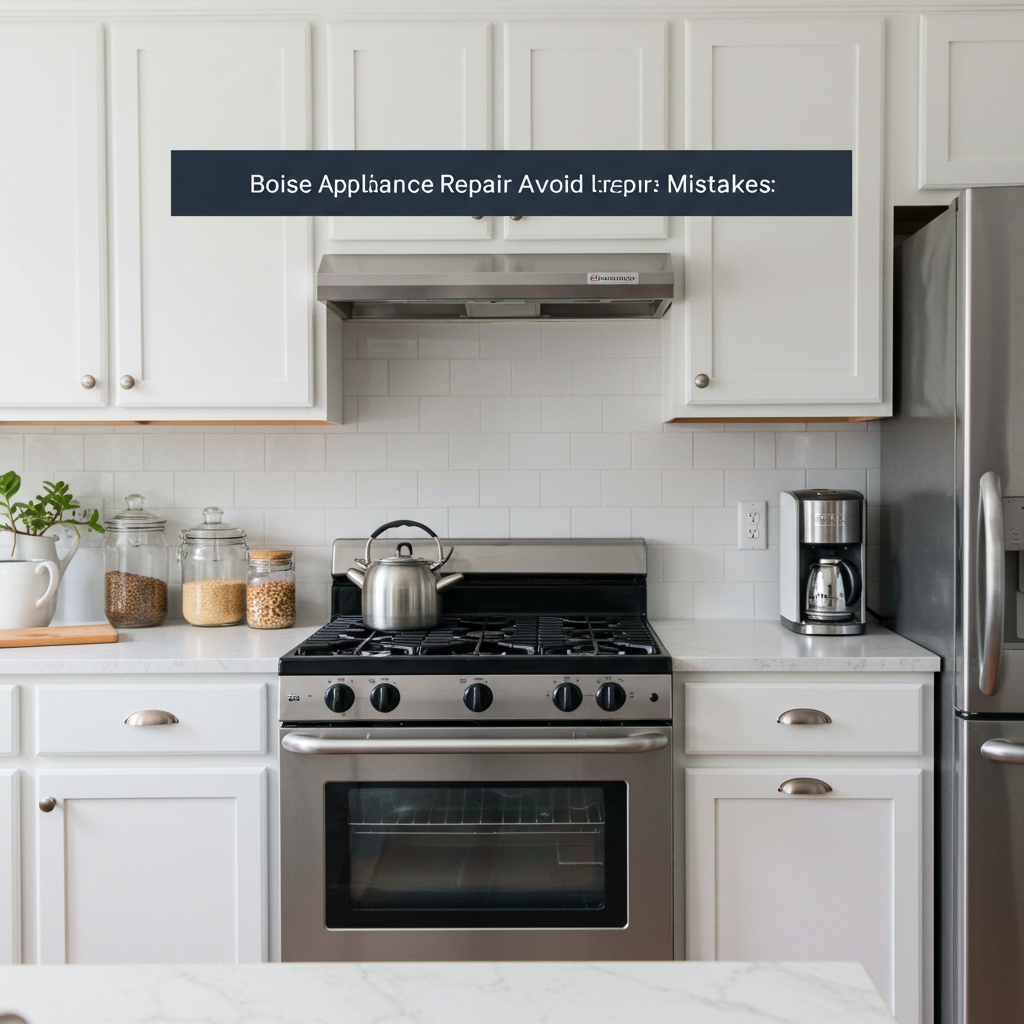
Boise Appliance Repair Prevention: Avoid These Common Household Mistakes
Many appliance repairs stem from easily preventable household mistakes such as improper usage, neglecting routine cleaning, ignoring minor warning signs, and using incompatible products. By understanding and correcting these common errors, Boise homeowners can significantly extend the lifespan of their appliances, reduce repair costs, and maintain a smoothly running home.
What Common Laundry Mistakes Lead to Washer and Dryer Repairs in Boise?
Your laundry room appliances work hard, and sometimes, our well-intentioned actions can inadvertently lead to their demise. Avoiding these common errors can save Boise residents significant repair costs and extend the life of their washing machines and dryers.
- Overloading Your Washer or Dryer: This is a classic culprit. Overfilling your washing machine strains the motor, agitator, and transmission, leading to premature wear on bearings and belts. For dryers, overloading restricts airflow, forcing the unit to work harder and longer, increasing energy consumption, and risking overheating of components like the heating element and thermostat. The constant stress from an imbalanced load can also damage the drum and suspension system over time.
- Using Too Much or the Wrong Detergent: Modern high-efficiency (HE) washers require specific HE detergents that produce fewer suds. Using conventional detergent or too much HE detergent can lead to an excess of suds, causing 'suds lock' errors, pump damage, and even sensor malfunctions. Over-sudsing can also leave residue on clothes and inside the washer, promoting mold and mildew growth. Always follow detergent manufacturer recommendations and match the detergent type to your machine.
- Neglecting Your Dryer's Lint Trap and Vent: A clogged lint trap reduces airflow, making your dryer less efficient and increasing drying times. More critically, it creates a significant fire hazard as lint is highly flammable. Beyond the trap, the dryer vent running from the machine to the outside can accumulate lint, especially if it's long or has many bends. Failure to clean this vent annually can lead to overheating, component failure, and a dangerous buildup of lint that can ignite.
- Leaving Wet Clothes in the Washer: While seemingly harmless, leaving wet clothes in the washer for extended periods creates a damp, enclosed environment perfect for mold and mildew growth. This can lead to unpleasant odors that transfer to your laundry and permeate the machine itself, often requiring costly deep cleaning or part replacement to eradicate.
How Do Kitchen Habits Impact Your Refrigerator and Dishwasher's Lifespan in Boise?
The kitchen is often the busiest room in the house, and our daily routines with refrigerators and dishwashers can profoundly affect their longevity and performance. Smart habits can significantly reduce the need for appliance repair in Boise.
- Refrigerator Overstuffing and Blocked Vents: A refrigerator needs proper airflow to maintain consistent temperatures and operate efficiently. Overfilling it, especially blocking the internal air vents, restricts cold air circulation. This forces the compressor to work harder and longer to cool the compartment, leading to increased energy consumption and premature wear on the compressor, which is often one of the most expensive components to replace. Keep about 20-30% of your fridge space clear for optimal airflow.
- Neglecting Dirty Refrigerator Coils: The condenser coils on the back or bottom of your refrigerator dissipate heat. When these coils become covered in dust, pet hair, and debris, they can't effectively release heat. This again forces the compressor to overwork, leading to higher energy bills, inefficient cooling, and eventually, compressor failure. It's a simple cleaning task that can prevent major repairs.
- Improper Dishwasher Loading and Pre-Rinsing: Many modern dishwashers are designed with sensors and powerful spray jets that handle food particles. Excessive pre-rinsing can actually confuse these sensors, leading to less effective cleaning cycles. Conversely, failing to scrape large food debris from plates can clog filters and spray arms, reducing cleaning efficiency and potentially damaging the pump over time. Refer to your dishwasher's manual regarding optimal pre-rinsing habits.
- Using Non-Dishwasher Detergent: Accidentally using hand soap or regular dish soap in your dishwasher can lead to a sudsy overflow, potentially damaging internal components like the pump and seals, and creating a huge mess. Always use detergent specifically designed for dishwashers.
Are Your Cleaning Habits Damaging Your Oven and Other Appliances in Boise?
From kitchen ranges to microwaves, our cleaning and usage habits play a critical role in preventing unexpected breakdowns and maintaining functionality for Boise homeowners.
- Misusing the Oven's Self-Cleaning Cycle: While convenient, the self-cleaning cycle uses extremely high temperatures (up to 900-1000°F) to incinerate food residue. Using it too frequently or when there are large spills can put excessive stress on the oven's electronic components, control board, and heating elements. This intense heat can shorten the lifespan of sensitive parts. It's often better to clean minor spills manually.
- Lining Oven Racks or Bottom with Aluminum Foil: Placing aluminum foil directly on the oven racks or the bottom can block heat circulation, leading to uneven cooking and potentially trapping heat that can damage the oven's interior finish or heating elements. If foil melts and fuses to the oven surface, it can be nearly impossible to remove without causing further damage.
- Running a Microwave Oven Empty: Turning on an empty microwave can severely damage the magnetron, the component responsible for generating microwaves. Without food or liquid to absorb the microwave energy, the energy reflects back to the magnetron, causing it to overheat and fail prematurely. Always ensure there's something inside when operating.
- Using Harsh or Abrasive Cleaners on Finishes: Applying incorrect or overly abrasive cleaning products to appliance surfaces (stainless steel, enamel, glass cooktops) can scratch, dull, or corrode the finish. This not only detracts from the appliance's appearance but can also compromise protective coatings, leading to further damage down the line. Always use cleaners recommended for the specific surface.
When Should Boise Homeowners Call a Professional to Prevent Bigger Problems?
Recognizing the early warning signs of appliance trouble and knowing when to call for professional help is crucial for preventing minor issues from escalating into expensive, major repairs. Delaying a service call can often compound the problem, leading to more extensive damage and higher costs.
Here are clear indicators that it's time to contact a professional appliance repair service:
- Unusual Noises: Grinding, squealing, banging, or persistent humming that is louder than usual indicates mechanical distress within your appliance. This could be a worn-out bearing, a failing motor, or a loose component.
- Strange Smells: A burning odor (especially rubber or plastic), a metallic scent, or a lingering chemical smell often signifies an electrical issue, overheating component, or a motor problem. This can be a serious safety concern and warrants immediate attention.
- Leaks or Puddles: Any sign of water leakage from a washer, dishwasher, refrigerator, or water heater should be addressed immediately. Leaks can cause significant water damage to your home, promote mold growth, and indicate a problem with hoses, seals, pumps, or drain lines.
- Intermittent Functionality: If an appliance works sometimes but not others, or if cycles are incomplete (e.g., washer not spinning, dryer not heating consistently, fridge not cooling), it suggests an underlying electrical or control board issue that requires expert diagnosis.
- Error Codes That Don't Clear: While many appliances display error codes, if a code persists after basic troubleshooting (like resetting the power), it's a clear signal that a deeper problem exists, and professional diagnostics are needed.
- Reduced Performance or Efficiency: If your dishwasher isn't cleaning as well, your refrigerator isn't holding temperature, or your oven takes much longer to preheat, it's a sign that components are failing or working inefficiently. Addressing this promptly can prevent total breakdown.
Attempting complex repairs yourself without the proper training, tools, or parts can often worsen the problem, void warranties, and even create safety hazards. Professional technicians, like those at Boise Appliance Experts, have the specialized knowledge to accurately diagnose issues, access genuine replacement parts, and perform repairs safely and effectively. Early intervention by a qualified professional can save you money, extend your appliance's life, and ensure your home remains safe and functional.
By being mindful of these common household mistakes and knowing when to call in the experts, Boise homeowners can significantly reduce the frequency and cost of appliance repairs. Regular maintenance and attentive usage are your best defense against unexpected breakdowns. If you notice any of the warning signs or have concerns about your appliances, don't hesitate to reach out to Boise Appliance Experts. Our skilled technicians are ready to provide reliable diagnostics and repair services to keep your home running smoothly.
Need Professional Assistance?
Get a free, no-obligation estimate from our expert local team today.