Keep Your Boise Home Safe: Essential Appliance Safety Tips
The most important appliance safety tips for Boise homeowners involve understanding electrical and gas risks, performing regular maintenance, and knowing when to call a professional. Prioritize installing carbon monoxide and smoke detectors, never overload electrical outlets, and always address unusual appliance behavior immediately to prevent serious hazards.
Why is Appliance Safety Crucial for Boise Households?
Appliance safety is not just a recommendation; it's a critical component of home security, especially in a vibrant community like Boise. While modern appliances are designed with safety in mind, improper use, lack of maintenance, or aging components can quickly turn a convenient device into a potential hazard. For Boise homeowners, understanding these risks is the first step in prevention. Appliances are responsible for a significant number of household fires, electrical shocks, and even carbon monoxide poisoning incidents each year. These dangers often stem from preventable issues like faulty wiring, improper installation, or simply neglecting warning signs. For example, a dryer vent clogged with lint can quickly escalate into a fire hazard, while a gas range with a slow leak poses an invisible threat of explosion or poisoning. Recognizing these potential issues and taking proactive steps can save lives, prevent injuries, and protect your valuable property. Investing a little time in understanding and implementing appliance safety measures goes a long way in ensuring the well-being of your family and home.
What Are Key Electrical Appliance Safety Practices in Boise?
Electrical appliances are ubiquitous in Boise homes, powering everything from refrigerators to entertainment systems. However, their convenience comes with the responsibility of ensuring they are used safely to prevent electrical fires or shocks. Many electrical hazards arise from easily avoidable mistakes or neglect. Understanding the proper handling of cords, outlets, and the appliances themselves is paramount.
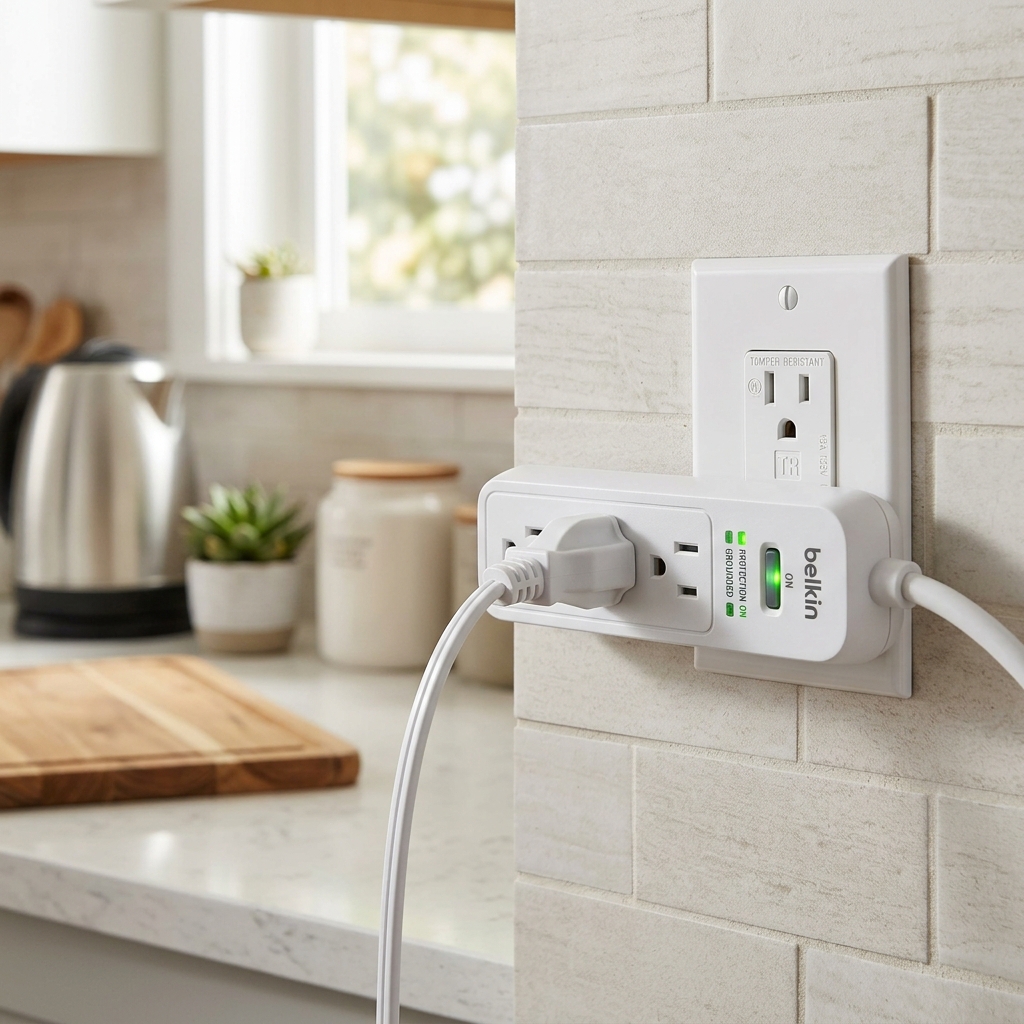
- Avoid Overloading Outlets: Plugging too many appliances into a single outlet can draw more current than the circuit is designed to handle, leading to overheating, tripped breakers, or even electrical fires. Instead of relying on power strips for high-wattage appliances, ensure each major appliance has its own dedicated outlet or that power strips are used appropriately for low-power devices.
- Inspect Cords and Plugs Regularly: Frayed cords, cracked insulation, or bent/missing ground prongs on plugs are clear indicators of a safety hazard. These can expose live wires, leading to shocks or short circuits. If you notice any damage, discontinue use immediately and have the cord or appliance repaired by a qualified professional. Never attempt a DIY fix that could worsen the problem.
- Keep Appliances Away from Water: Water and electricity are a dangerous combination. Always ensure hands are dry when handling electrical appliances, and keep them away from sinks, bathtubs, or any source of moisture. This is especially critical in kitchens and bathrooms where accidental splashes can occur.
- Unplug When Not in Use or During Cleaning: Many small appliances (toasters, coffee makers, hair dryers) should be unplugged when not in active use or before cleaning. This not only conserves energy but also eliminates the risk of accidental activation or electrical faults when unsupervised.
- Use Grounded Outlets: Ensure that all your appliances, especially those with three-prong plugs, are connected to grounded outlets. Grounding provides an alternative path for electricity to flow in case of a fault, preventing shocks. If you have older two-prong outlets in your Boise home, consider having them updated by a licensed electrician.
- Never Remove a Ground Prong: Modifying a three-prong plug to fit into a two-prong outlet by removing the ground prong defeats a crucial safety feature and dramatically increases the risk of electrocution. Always use the correct adapter or have the outlet upgraded.
How Can Boise Residents Ensure Gas Appliance Safety?
Gas appliances like furnaces, water heaters, stoves, and dryers are common in Boise homes, providing efficient heating and cooking. However, gas leaks and carbon monoxide (CO) exposure pose serious, often invisible, threats. Ensuring the safe operation of these appliances requires vigilance and regular professional attention.
- Install and Maintain Carbon Monoxide Detectors: Carbon monoxide is an odorless, colorless gas produced by incomplete combustion in gas appliances. It can be lethal. Every Boise home with gas appliances should have CO detectors installed on every level and near sleeping areas. Test them monthly and replace batteries annually, or as recommended by the manufacturer.
- Ensure Proper Ventilation: Gas appliances require adequate ventilation for safe operation. For example, gas ranges should always be used with a range hood that vents outdoors, especially during prolonged cooking. Clothes dryers must have clear, unobstructed vent lines to the exterior to prevent both fire hazards (from lint buildup) and carbon monoxide buildup.
- Know the Smell of Natural Gas: Natural gas companies add a chemical called mercaptan to gas, giving it a distinctive 'rotten egg' smell. If you ever detect this odor in your home, it's crucial to act immediately.
- What to do if you smell gas:
- Do NOT turn electrical switches or appliances on or off.
- Do NOT use cell phones or landlines.
- Open windows and doors.
- Immediately evacuate everyone from the building.
- Once outside, call your gas utility company and the fire department from a safe distance.
- Keep Flammable Items Away: Ensure there is ample clearance around gas appliances. Flammable materials such as curtains, paper products, aerosols, and cleaning supplies should be kept far away from pilot lights, burners, or heating elements to prevent accidental fires.
- Schedule Annual Professional Inspections: Gas appliances should be inspected annually by a qualified technician. This ensures all components, including gas lines, burner assemblies, igniters, and ventilation systems, are functioning correctly and safely. A professional can detect subtle leaks, worn parts, or potential issues that an untrained eye might miss.
When Should Boise Homeowners Call an Appliance Safety Expert?
While DIY maintenance and vigilance are vital, there are clear signs that indicate it's time to call in the professionals. Ignoring these warnings can lead to dangerous situations, escalating repair costs, or irreversible damage to your appliances. Knowing when to step back and seek expert assistance is a crucial part of appliance safety for any Boise homeowner.
- Unusual Noises: Grinding, banging, excessive rattling, or high-pitched squealing from an appliance are often signs of mechanical failure. For example, a refrigerator making loud humming noises might have a failing compressor, while a dryer with a squealing sound could have worn-out bearings.
- Strange Odors: A burning smell from an electrical appliance could indicate overheating wires or components. A sulfur or 'rotten egg' smell from a gas appliance unequivocally points to a gas leak and requires immediate evacuation and professional attention. Musty smells from a washing machine or dishwasher could signal mold or drainage issues.
- Visible Sparks or Smoke: Any sight of sparks, smoke, or flames emanating from an appliance is an emergency. Immediately unplug or shut off the gas supply to the appliance (if safe to do so) and call for professional help.
- Inconsistent Performance: If your oven isn't heating evenly, your dishwasher isn't cleaning properly, or your washing machine is leaking, these are not just inconveniences. They can indicate underlying issues that, if left unaddressed, could lead to greater safety concerns or complete appliance failure.
- Gas Leak Concerns: Even if you don't smell gas, if you suspect a leak due to a higher-than-usual gas bill or an appliance pilot light that frequently goes out, it's imperative to have a professional inspect your gas lines and appliances.
- Electrical Issues: Frequent tripping of circuit breakers when using a specific appliance, flickering lights, or warm outlets can all be indicators of electrical problems within the appliance or your home's wiring. These require immediate investigation by an electrician or appliance repair technician.
Don't hesitate to reach out to the experts at boiseapplianceexperts.com when these signs appear. Our certified technicians have the experience and specialized tools to diagnose and safely repair a wide range of appliance issues, ensuring your Boise home remains a safe and comfortable environment.
Prioritizing appliance safety in your Boise home is an investment in your peace of mind and the well-being of your family. By following these essential tips, being proactive with maintenance, and knowing when to call on skilled professionals, you can significantly reduce the risks associated with household appliances. From understanding electrical loads to recognizing the subtle signs of a gas leak, your vigilance plays a critical role. When complex issues arise or if you ever feel uncertain about an appliance's safety, remember that expert assistance is just a call away. Trust boiseapplianceexperts.com to provide reliable, safe, and efficient appliance repair services, ensuring your home continues to operate smoothly and safely for years to come.
Need Professional Assistance?
Get a free, no-obligation estimate from our expert local team today.