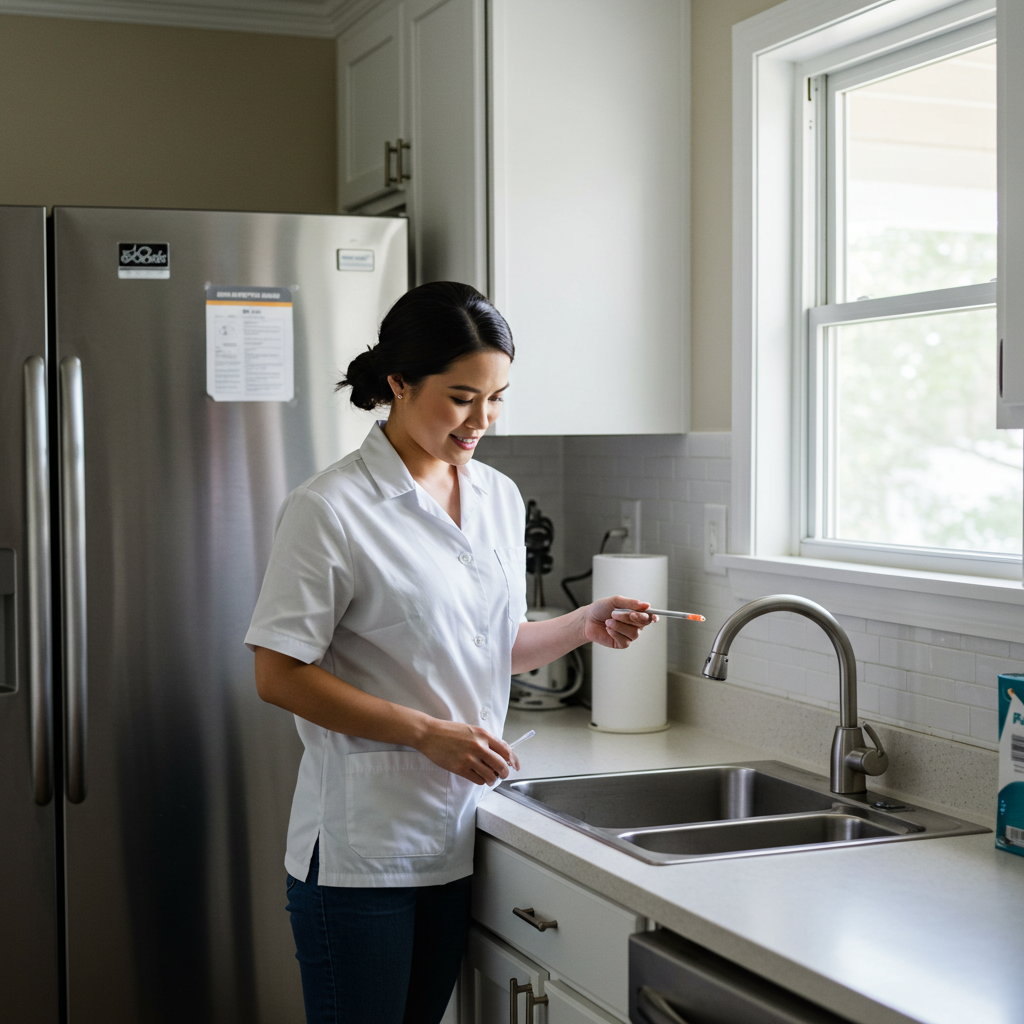
Safeguard Your Appliances: Essential Boise Tips Against Hard Water, Surges & Weather
In the beautiful Treasure Valley, our homes rely heavily on a fleet of hard-working appliances. From keeping food fresh to washing clothes and dishes, these machines are integral to daily life. However, living in Boise comes with its own set of environmental considerations that can significantly impact the longevity and performance of your refrigerators, washers, dryers, and more. Understanding these local challenges and implementing proactive protection strategies can save you hundreds, if not thousands, in unexpected repair bills and appliance replacements.
How does Boise's hard water affect my appliances?
Boise is known for having moderately hard to very hard water, depending on your specific location within the valley. Hard water means it contains a higher concentration of dissolved minerals, primarily calcium and magnesium. While generally safe for consumption, these minerals can wreak havoc on your appliances over time.
The Impact of Hard Water:
- Scale Buildup: As water heats and evaporates, these minerals are left behind, forming a hard, chalky deposit known as scale. This scale accumulates on heating elements, jets, and internal components.
- Reduced Efficiency: Scale acts as an insulator, forcing heating elements in dishwashers, washing machines, and water heaters to work harder and longer to achieve desired temperatures, increasing energy consumption.
- Clogs and Blockages: Small water jets in dishwashers and ice makers can become partially or completely clogged, impairing performance.
- Component Damage: Over time, mineral deposits can erode seals, clog valves, and reduce the effectiveness of detergents and soaps.
- Unsightly Residue: You'll notice white spots on dishes and glassware, and clothes may feel stiff or look dull.
Appliances Most Affected by Hard Water:
- Dishwashers: Mineral deposits can clog spray arms, reduce cleaning effectiveness, and etch glass.
- Washing Machines: Scale can build up on heating elements (especially in hot water cycles), reduce detergent efficacy, and leave residue on clothes.
- Water Heaters: The most significant impact is often seen here, with scale accumulating on the bottom of tanks or on heating elements, drastically reducing efficiency and lifespan.
- Ice Makers: Water lines and internal components are highly susceptible to mineral clogs.
Proactive Solutions:
- Install a Water Softener: This is the most effective long-term solution, removing minerals before they enter your home's plumbing system.
- Regular Descaling: For appliances like dishwashers and washing machines, periodic cleaning with vinegar or citric acid solutions can dissolve scale buildup. Consult your appliance manual for specific recommendations.
- Use Hard Water Detergents: Opt for detergents specifically formulated for hard water areas to improve cleaning performance and reduce mineral residue.
Can power surges damage appliances in Boise?
Boise, like many growing cities, can experience its share of power fluctuations. From sudden lightning storms during summer to grid instability, power surges are a real threat to your sensitive electronics and major appliances. A power surge is a brief spike in voltage that can exceed an appliance's normal operating limits.
Causes of Power Surges:
- External Factors: Lightning strikes, utility grid switching (when power companies reroute electricity), and downed power lines.
- Internal Factors: The cycling on and off of large appliances within your home (e.g., air conditioners, refrigerators) can cause smaller, localized surges, though these are typically less damaging than external surges.
The Risk to Appliances:
When a surge occurs, the excess voltage can overload circuits, overheat components, and literally fry the delicate microprocessors and control boards found in modern appliances. While some older, simpler appliances might withstand minor surges, today's smart and digitally controlled units are extremely vulnerable.
Appliances Most At Risk:
- Refrigerators and Freezers: Modern units often have sophisticated control boards that regulate temperature, defrost cycles, and smart features. These are highly susceptible.
- Smart Appliances: Any appliance with Wi-Fi connectivity, digital displays, or advanced sensors (e.g., smart ovens, washing machines with electronic panels).
- Dishwashers: Their electronic control units can be damaged.
- Ovens and Ranges: Especially those with digital interfaces and self-cleaning functions.
Protective Measures:
- Individual Surge Protectors: For critical or sensitive appliances, plug them into high-quality surge protectors. Look for units with a high Joule rating for better protection.
- Whole-Home Surge Protectors: Installed at your electrical panel, these devices offer comprehensive protection for all appliances and electronics in your home. They divert excess voltage safely away from your electrical system.
- Unplug During Storms: For extremely severe weather, the safest option is to unplug highly sensitive appliances.
What impact do Boise's weather extremes have on outdoor/garage appliances?
Boise experiences significant temperature swings, with scorching hot summers and often freezing, snowy winters. These extreme conditions can be particularly harsh on appliances that are not housed in a climate-controlled environment, such as those in garages or outdoor kitchens.
Summer Heat Challenges:
- Overworked Compressors: Garage refrigerators and freezers have to work much harder to maintain internal temperatures when ambient garage temperatures soar, leading to increased energy consumption and premature wear on the compressor.
- Reduced Efficiency: High heat can reduce the efficiency of refrigeration systems, making them struggle to cool effectively.
- Component Stress: High temperatures can degrade seals, insulation, and electronic components more rapidly.
Winter Cold Challenges:
- Compressor Oil Issues: In extremely cold temperatures, the oil in refrigerator/freezer compressors can thicken, making it difficult for the compressor to start and potentially causing damage.
- Refrigerant Performance: Refrigerant systems are designed to operate within a specific temperature range. Extreme cold can affect their ability to cycle properly.
- Brittle Components: Plastic and rubber components (like door seals) can become brittle and crack in freezing temperatures.
Appliances Most Affected by Weather Extremes:
- Garage Refrigerators and Freezers: These are the most common victims of extreme garage temperatures.
- Outdoor Kitchen Appliances: Grills, outdoor refrigerators, and ice makers are exposed to the full range of Boise's weather.
Mitigating the Effects:
- Choose “Garage-Ready” Models: If you plan to keep a refrigerator or freezer in your garage, invest in a model specifically designed to operate efficiently in extreme temperatures.
- Improve Garage Insulation: Better insulation in your garage can help moderate temperature swings.
- Proper Placement: Avoid placing appliances in direct sunlight in the summer or near drafty windows/doors in the winter. Ensure adequate ventilation around the unit.
- Seasonal Checks: Inspect door seals for cracks and ensure coils are clean to maintain efficiency.
Protecting your appliances from Boise's specific environmental challenges isn't just about avoiding breakdowns; it's about extending their useful life, improving their efficiency, and ensuring your home runs smoothly. By understanding the threats posed by hard water, power surges, and temperature extremes, you can take proactive steps to safeguard your investments.
Sometimes, despite your best efforts, an appliance may still encounter issues. When that happens, don't hesitate to call the professionals. Boise Appliance Experts are here to provide reliable, efficient, and professional appliance repair services throughout the Treasure Valley. Our experienced technicians understand the unique challenges faced by Boise homeowners and are equipped to get your appliances back in top working order, often preventing larger issues down the line. We pride ourselves on quick, trustworthy service, ensuring your peace of mind.
Need Professional Assistance?
Get a free, no-obligation estimate from our expert local team today.