Immediate Appliance Breakdown? Your Boise Expert Action Plan for Fast Fixes
A sudden appliance breakdown can throw a wrench into your daily routine. Whether it's a refrigerator failing to cool, a washing machine refusing to spin, or an oven that won't heat, these disruptions require swift and informed action. In Boise, ID, residents face unique challenges, from specific hard water issues affecting dishwashers and washing machines to seasonal temperature fluctuations impacting refrigerators and freezers. Understanding what to do when an appliance falters can mitigate stress, prevent further damage, and ensure a quicker resolution. This guide from Boise Appliance Experts will walk you through the essential steps to take and what to expect from professional repair services in our community.
What Are the Immediate Steps to Take When an Appliance Breaks Down in Boise?
When an appliance suddenly stops working, your first instinct might be panic. However, a calm, systematic approach is key. These steps can help you manage the situation safely before professional help arrives:
- Safety First: Disconnect Power. For any electrical appliance, immediately unplug it from the wall socket or switch off its dedicated circuit breaker. This prevents electrical hazards and potential further damage to the unit. For gas appliances, turn off the gas supply valve if you know how to do so safely.
- Identify the Problem (Safely). Observe what happened leading up to the breakdown. Did you hear strange noises? See smoke or sparks? Is there a noticeable smell? Documenting these details can be incredibly helpful for your technician. However, avoid taking apart the appliance yourself, as this can be dangerous and void warranties.
- Check Simple Solutions. Sometimes, the issue is minor. Ensure the appliance is properly plugged in, check the circuit breaker for trips, or look for kinked water lines for washers and dishwashers. For refrigerators, make sure the door is sealed correctly.
- Prevent Secondary Damage. If a refrigerator isn't cooling, move perishable items to a cooler with ice or a neighbor's fridge. For a leaking washing machine, contain the water to prevent floor damage.
- Locate Model and Serial Numbers. Before calling for service, find the appliance's model and serial number. This information helps technicians diagnose the problem more accurately and ensures they bring the correct parts. You'll usually find these on a sticker inside the door, on the back, or along the frame of the appliance.
Taking these initial steps not only ensures your safety but also prepares you for an efficient service call with appliance repair in Meridian or elsewhere in the Treasure Valley.
Common Appliance Problems Specific to Boise Homes & How We Address Them
While many appliance issues are universal, residents of Boise, ID, often encounter challenges influenced by our local environment and infrastructure:
- Hard Water Buildup: Boise's water supply can be moderately hard, leading to mineral buildup in dishwashers, washing machines, and even ice makers. This can cause inefficient cleaning, clogged lines, and premature wear on components. Our technicians are familiar with descaling procedures and recommend maintenance tailored to local water conditions.
- Seasonal Temperature Swings: Our hot summers and cold winters can impact outdoor or garage-situated appliances. Refrigerators and freezers can struggle to maintain proper temperatures in extreme heat, while washing machine hoses in unheated areas are susceptible to freezing. We provide advice on optimal placement and insulation for year-round performance.
- Power Surges: Boise experiences occasional power fluctuations, which can sometimes damage delicate appliance electronics. Investing in surge protectors for sensitive appliances can offer a layer of protection. If you suspect surge-related damage, our experts can assess and repair the affected circuit boards or components.
- Aging Infrastructure: Older homes in neighborhoods like Harris Ranch might have outdated wiring or plumbing that can contribute to appliance issues. Our professionals can identify if the appliance problem is a symptom of a larger home infrastructure concern.
Understanding these localized factors helps us provide more targeted and effective repair solutions, ensuring your appliances are built to last in the Boise climate.
Repair vs. Replace: Making the Right Decision in Boise
When faced with a broken appliance, the "repair or replace" dilemma is common. This decision often hinges on several factors, especially the cost of repair relative to replacement, the appliance's age, and its energy efficiency. Boise Appliance Experts can help you make an informed choice:
- The 50% Rule: A good rule of thumb is that if the repair cost is more than 50% of the cost of a new appliance, and the appliance is more than halfway through its expected lifespan, replacement might be the more economical choice.
- Appliance Lifespan:
- Refrigerators: 10-13 years
- Washing Machines/Dryers: 10-13 years
- Dishwashers: 9-10 years
- Ovens/Ranges: 13-15 years
If your appliance is nearing the end of its typical lifespan, investing in a significant repair might not be wise.
- Energy Efficiency: Older appliances are often less energy-efficient. A new model could offer substantial savings on your utility bills, especially relevant with rising energy costs in the Boise area. Factor these potential savings into your long-term decision.
- Cost of Repair in Boise: Repair costs vary greatly depending on the appliance, the specific part needed, and the labor involved. Our technicians provide transparent, upfront estimates after diagnosis, allowing you to weigh your options without obligation. We always aim to provide the most cost-effective solution for our Boise customers.
We believe in honest advice. Sometimes, a repair is a simple, cost-effective fix that can extend your appliance's life by years. Other times, putting money into an old, inefficient unit is like throwing good money after bad. We're here to guide you.
What to Expect During a Professional Appliance Repair Service Call
When you call Boise Appliance Experts, you can expect a streamlined and professional service experience:
- Scheduling & Confirmation: We'll work with you to schedule a convenient appointment time. You'll receive confirmation and often a reminder before your technician's arrival.
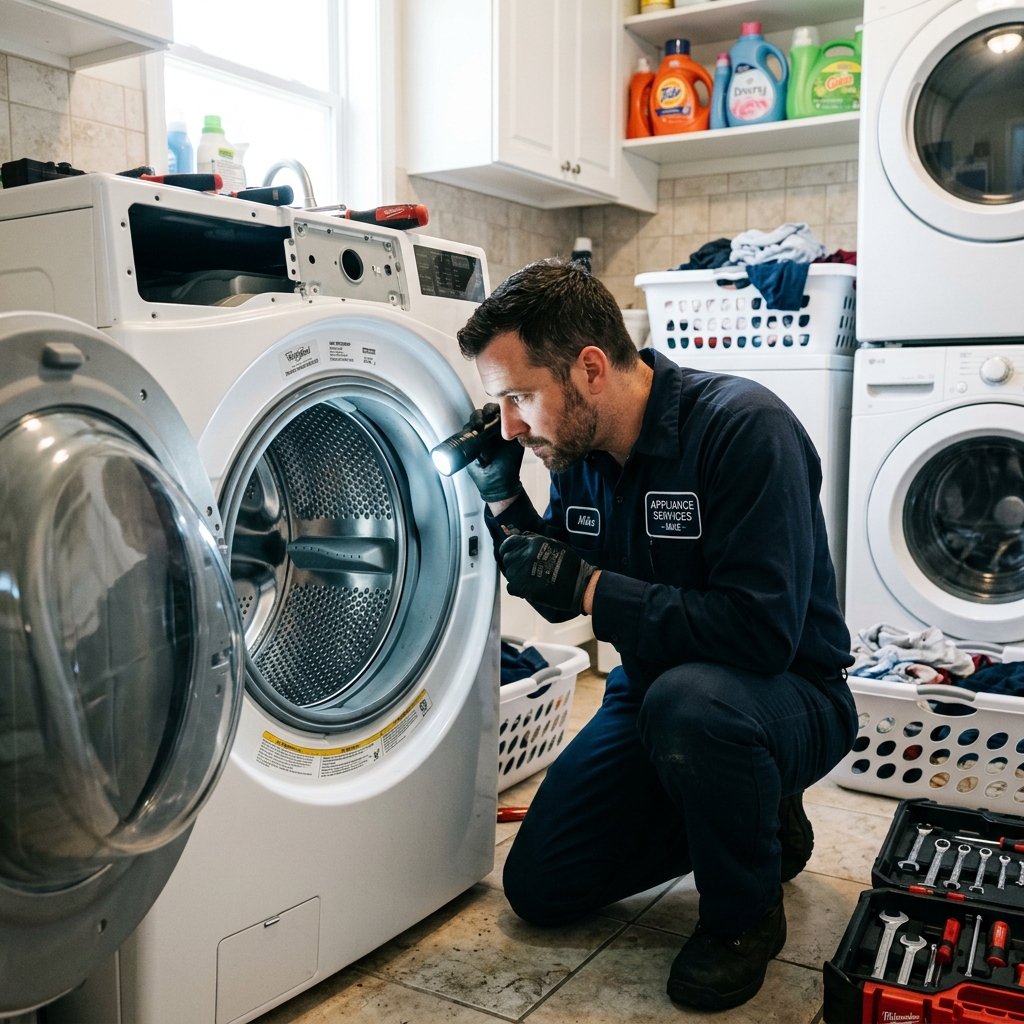
- Arrival & Diagnosis: A uniformed, certified technician will arrive at your Boise home equipped with the necessary tools and common replacement parts. They will respectfully enter your home, listen to your description of the problem, and then conduct a thorough diagnostic assessment of the appliance. This involves using specialized equipment to pinpoint the exact cause of the malfunction.
- Transparent Estimate: After diagnosing the issue, the technician will explain the problem in clear, understandable terms. You'll receive a detailed, upfront estimate for parts and labor before any work begins. There are no hidden fees or surprises.
- Efficient Repair: With your approval, the technician will proceed with the repair, using high-quality parts. Our goal is to complete the repair efficiently and effectively, minimizing downtime for your household.
- Testing & Cleanup: Once the repair is complete, the appliance will be thoroughly tested to ensure it's functioning correctly. Our technicians will clean up their workspace, leaving your home as tidy as they found it.
- Warranty & Advice: We stand by our work. You'll receive information about our repair warranty. Our technicians are also happy to offer tips for proper appliance maintenance to help extend its lifespan and prevent future issues, specifically considering Boise's environmental factors.
Our commitment is to provide prompt, reliable, and respectful appliance repair service to our Boise neighbors, ensuring your peace of mind.
Don't let a broken appliance disrupt your life in Boise. Whether it's a minor glitch or a major malfunction, knowing the right steps to take and when to call for professional help can make all the difference. At Boise Appliance Experts, we understand the urgency and frustration that comes with appliance breakdowns. Our team of experienced, local technicians is ready to provide fast, reliable, and honest repair services across Boise, ID, and surrounding areas. We're committed to getting your household back on track quickly and efficiently.
Experiencing an appliance breakdown right now? Don't delay! Call Boise Appliance Experts today for expert diagnosis and repair. We're your trusted local partner for all your appliance service needs in Boise, ID.
Need Professional Assistance?
Get a free, no-obligation estimate from our expert local team today.